When your doctor recommends a CT scan, it is normal to feel a little uncertain. Many patients wonder what happens during the scan, whether it involves radiation, and how safe it really is. A CT scan is a common diagnostic test that helps doctors see detailed images of your body and make accurate treatment decisions.
If you have been advised to book a scan, understanding what it involves can make the process much less stressful. Here we answer some of the most common questions people ask before booking a CT scan, so you know what to expect and how to choose a clinic that prioritises your safety and comfort.
What Is a CT Scan and How Does It Work?
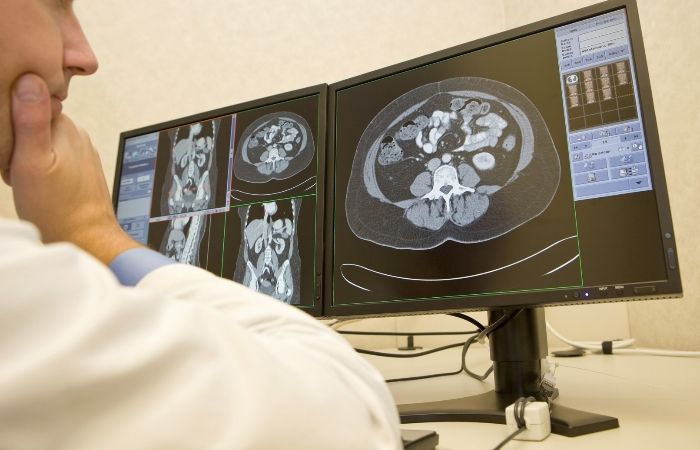
CT stands for computed tomography. It is an advanced imaging test that uses X-rays and computer technology to create cross-sectional images of your body. These images are much more detailed than standard X-rays, allowing doctors to view bones, organs, blood vessels, and soft tissues clearly.
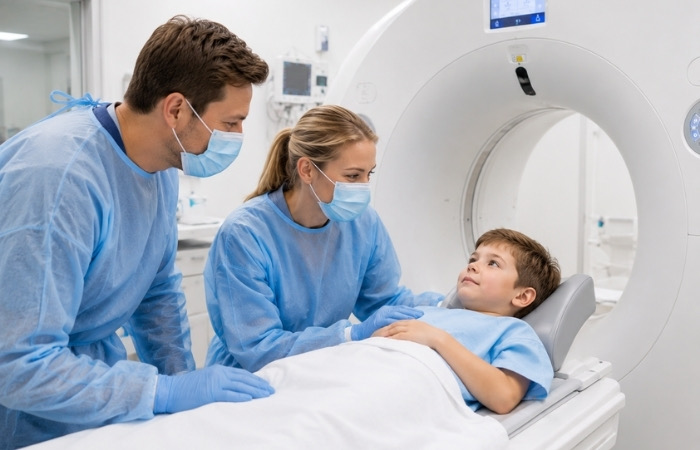
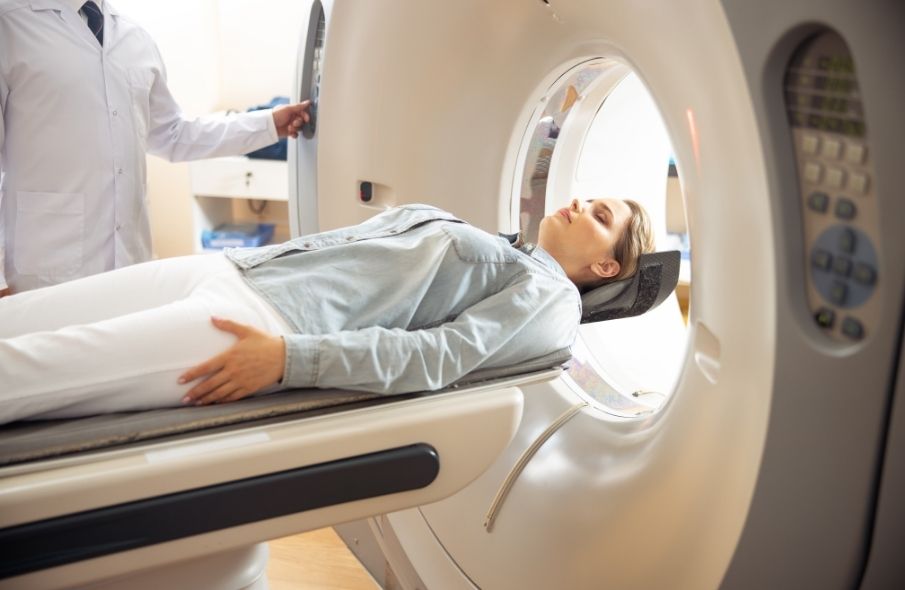
During a CT scan, you lie on a table that slowly moves through a circular scanner. The scanner rotates around you, taking multiple images from different angles. These images are then processed by a computer to form a 3D view of the inside of your body.
CT scans are used for many reasons, including diagnosing injuries, detecting tumours, monitoring internal bleeding, or guiding certain procedures. Because they are so precise, CT scans help doctors make faster and more accurate diagnoses.
1. Is a CT Scan Safe, and What Are the Risks of Radiation Exposure?
This is the first and most important question many patients ask. CT scans do involve a small amount of ionising radiation, but modern scanners are designed to minimise exposure. The radiation dose from a single CT scan is typically low and considered safe for most people.
Medical professionals carefully assess every patient before recommending a CT scan. The benefits of accurate diagnosis almost always outweigh the minimal risks associated with radiation. In Australia, clinics such as Axis Imaging follow strict guidelines set by the Australian Radiation Protection and Nuclear Safety Agency (ARPANSA) to ensure patient safety.
If you are pregnant or think you might be, always inform your doctor or the radiographer before the scan. Alternative imaging options such as ultrasound or MRI can be used when necessary.

2. How Should I Prepare for My CT Scan?
Preparation depends on the type of CT scan you are having. In many cases, little or no preparation is needed. However, some scans require specific steps to ensure clear and accurate results.
If you are having a CT scan with contrast, you might be asked to fast for a few hours beforehand. The contrast dye helps highlight certain areas of your body, such as blood vessels or organs, making them easier to see on the images.
Your clinic will give you clear instructions before the scan. It is important to tell your radiographer if you have allergies, diabetes, asthma, or kidney problems, as these can affect how your body responds to the contrast dye. Wearing loose, comfortable clothing and removing metal items such as jewellery or glasses will also help the scan go smoothly.
3. What Is the Difference Between a CT Scan and an MRI?
Both CT scans and MRI scans provide detailed images of the body, but they use different technology.
A CT scan uses X-rays, while an MRI uses powerful magnets and radio waves. CT scans are generally faster and better for viewing bones, lungs, and internal injuries. MRI scans are often preferred for imaging soft tissues such as the brain, muscles, and ligaments.
Your doctor will recommend the most suitable scan based on your symptoms and medical history. For example, if you have a suspected fracture or chest issue, a CT scan is often the best choice.
4. Will I Need Contrast Dye, and Are There Any Side Effects?
Some CT scans use a contrast dye to improve image clarity. The dye may be taken orally, injected into a vein, or administered rectally, depending on which part of the body is being scanned.
The contrast dye contains iodine, which makes certain structures stand out more clearly. Most people tolerate it well, but a small number may experience mild side effects such as a warm sensation, metallic taste, or temporary nausea. These usually pass quickly.
If you have had an allergic reaction to contrast dye in the past or have kidney concerns, let your doctor or radiographer know before your appointment. Clinics such as Axis Imaging always review your medical history and monitor your safety throughout the procedure.

5. How Do I Choose a Safe and Reliable Clinic for My CT Scan?
Choosing the right imaging clinic can make a big difference to your comfort, experience, and peace of mind. Look for a clinic that:
- Is accredited by the Diagnostic Imaging Accreditation Scheme (DIAS) or similar regulatory bodies
- Uses modern, low-dose CT scanners to reduce radiation exposure
- Employs qualified radiologists and radiographers with specialised training
- Provides clear pre-scan instructions and post-scan support
- Has a reputation for professional care and patient safety
Reading reviews, checking credentials, and speaking to your referring doctor can also help you make an informed decision.
What to Expect During and After Your CT Scan
A CT scan is quick and painless. You will be asked to lie still on a motorised table while the scanner moves around you. You might hear soft whirring sounds, but the procedure is non-invasive and usually completed within 10 to 20 minutes.
If you are given a contrast dye, you may feel a slight warmth or flushing sensation. After the scan, you can return to your normal activities unless instructed otherwise. If you received contrast, drinking plenty of water helps flush it from your system.
Your results will be reviewed by a radiologist and sent to your doctor, who will discuss them with you at your follow-up appointment.
Why Safety and Care Matter at Axis Imaging
CT scans are a valuable tool for accurate diagnosis and early detection, but safety should always come first. At Axis Imaging, patient well-being is the top priority. The clinic uses advanced, low-dose CT technology that ensures high-quality images with the lowest possible radiation exposure.
Every scan is performed by qualified professionals who take the time to explain each step and make you feel at ease. Whether you need a CT scan for an injury, ongoing health concern, or general investigation, you can trust that your care is in safe, experienced hands.
Choosing a clinic that values precision and patient care means you get the clarity you need with confidence and comfort.

Find Out More with Axis Imaging
Understanding how CT scans work and how safe they are can help you make informed health decisions. If your doctor has recommended a scan, it is reassuring to know that the technology and safety standards have never been better.
At Axis Imaging, we provide state-of-the-art CT scanning and diagnostic imaging services with a focus on safety, accuracy, and patient care. Our team takes every precaution to ensure your scan is comfortable and your results are clear.
Contact us today to book your appointment or to learn more about how we keep CT scanning safe, effective, and stress-free.