Accurate diagnosis is the cornerstone of effective healthcare. In Victoria, Australia, CT scans have become one of the most important diagnostic tools for hospitals and clinics. With the nation’s ageing population and rising rates of chronic disease, they play a crucial role in early detection, treatment planning, and ongoing monitoring of patient health.
What Is a CT Scan?
A Computed Tomography (CT) scan is a vital medical imaging test that uses ionising radiation to produce detailed cross-sectional or 3D images of the inside of the body. Unlike standard X-rays, which capture a single flat image, CT scans combine multiple X-ray images taken from different angles to create clear, layered pictures of bones, organs, blood vessels, and soft tissues. This advanced imaging technology allows doctors to detect and diagnose a wide range of medical conditions, including tumours, infections, internal bleeding, and blood clots. CT scans provide greater detail than plain X-rays, making them essential for accurately assessing injuries and diseases in Australian healthcare.
Why CT Scans Matter for Accurate Diagnosis
1. Unmatched Image Detail for Early Detection
CT scans produce high-resolution images that allow clinicians to detect very small abnormalities, such as early-stage tumours or internal bleeding. This precision is critical for timely diagnosis and successful treatment planning.
2. Fast Results in Emergency Situations
When seconds count, CT scans deliver results quickly. In Australian emergency departments, CT technology is essential for diagnosing stroke, head injuries, and internal trauma within minutes. The development of portable CT scanners for ambulances and rural hospitals is also improving access to immediate imaging during critical situations.
3. Comprehensive View of the Body
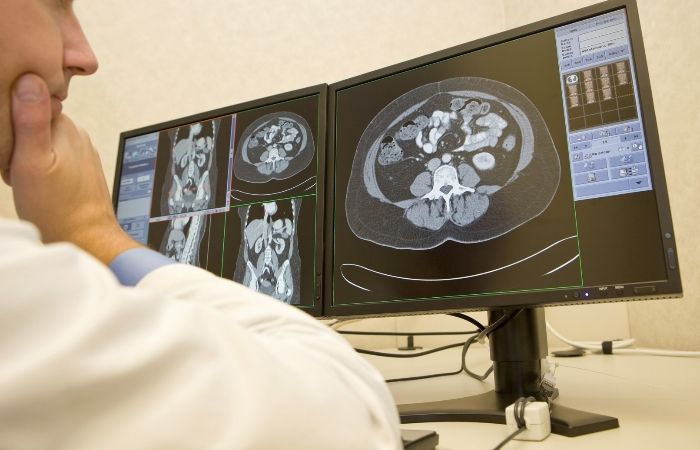
CT imaging provides a full, three-dimensional perspective of the body’s internal structures. Radiologists can examine organs, bones, and blood vessels together, which allows for better assessment of complex or multi-system conditions. This comprehensive view supports accurate diagnosis and informed treatment decisions.
4. Minimally Invasive Diagnostic Support
CT scans reduce the need for exploratory surgery. They are frequently used to guide biopsies, monitor the success of radiation therapy, and plan surgical interventions. This not only improves diagnostic precision but also enhances patient comfort and recovery time.
5. Meeting Australia’s Healthcare Demands
More than 80 per cent of older Australians have at least one chronic health condition. CT imaging supports ongoing management of cardiovascular disease, cancer, respiratory disorders, and other long-term illnesses. With high scanner availability, Australian patients benefit from fast access to imaging that supports preventive and responsive care.

How a CT Scan Works
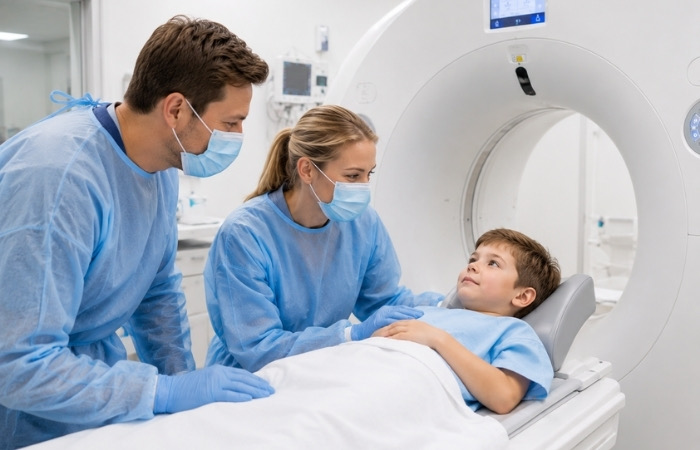
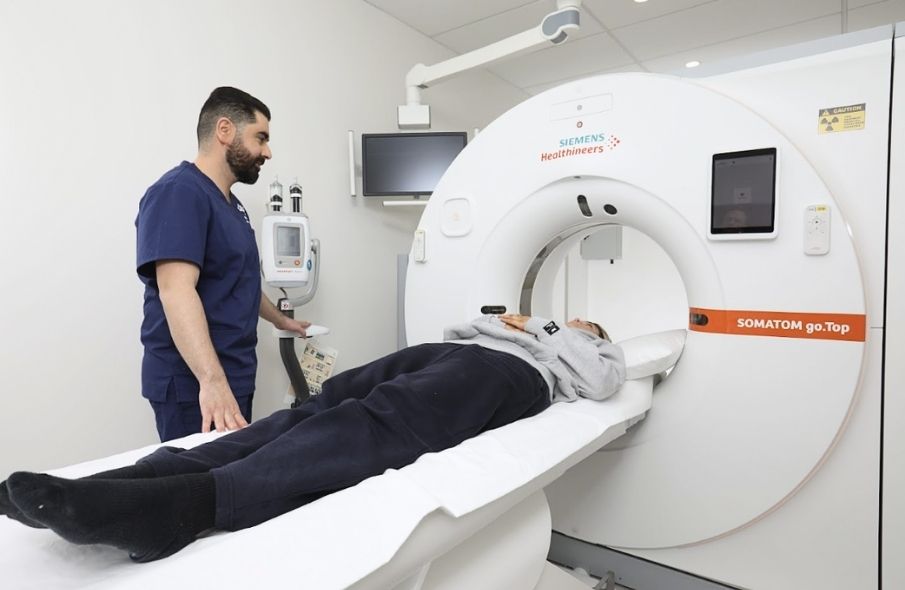
A CT scanner uses a rotating X-ray beam to capture hundreds of images from multiple angles. These images are then processed by a computer to produce cross-sectional slices of the body, which can be combined into 3D representations. In some cases, a contrast dye is used to highlight blood vessels or specific organs. This makes abnormalities, such as blockages or tumours, easier to detect. This process is fast, accurate and completely painless. Most scans take just a few minutes and provide far greater detail than traditional imaging.
Comparing CT Scans with Standard X-Rays
| Feature | CT Scan | Standard X-Ray |
|---|---|---|
| Image Detail | High-resolution, 3D or cross-sectional images | 2D flat images with less detail |
| Scan Time | 5–10 minutes | Under 1 minute |
| Radiation Exposure | 1–27 mSv (varies by body area) | Around 0.1 mSv |
| Typical Uses | Detecting tumours, bleeding, organ damage, vascular disease | Bone fractures, chest infections |
| Clarity for Soft Tissue | Excellent | Limited |
| Emergency Use | Critical for rapid diagnosis (stroke, trauma, bleeding) | Basic initial assessment |
Each year, around 375 million CT scans are performed worldwide, increasing by 3 to 4 per cent annually. Australia’s access to CT technology ranks among the best globally, supporting faster, more accurate diagnoses and improving patient outcomes across the healthcare system.

CT Scan Safety and Radiation Levels Explained
CT scans use small, controlled doses of radiation, typically between 1 and 27 millisieverts (mSv) per scan. For comparison, natural background radiation exposure in Australia averages around 3 mSv per year.
While there is a very small associated risk (approximately 0.005 per cent per millisievert), CT imaging is only recommended when its benefits clearly outweigh potential risks. Radiologists in Australia follow strict ARPANSA (Australian Radiation Protection and Nuclear Safety Agency) safety guidelines to ensure patient protection.
Modern scanners now include advanced software that automatically adjusts radiation output based on patient size and scan area, further reducing exposure while maintaining high image quality.
Benefits of CT Scans in Healthcare
CT scans provide several clear advantages that make them indispensable in modern medicine:
- Rapid, accurate imaging that supports faster diagnosis
- High-definition detail for assessing organs, bones, and soft tissue
- Precise guidance for surgical or interventional procedures
- Reduced the need for invasive exploratory surgery
- Immediate results in emergencies such as trauma or stroke
- Comprehensive body coverage in a single session
These capabilities have made CT technology one of the most valuable advancements in healthcare. Its inventors received the Nobel Prize in recognition of its life-saving impact on medical diagnostics.

How Technology Is Transforming CT Scanning Across Australia
Australia is at the forefront of adopting portable CT units, expanding access to diagnostic imaging across regional and rural communities. This innovation is closing the healthcare gap between metropolitan hospitals and remote locations, ensuring timely diagnosis for all patients. Artificial Intelligence (AI) is also being integrated into diagnostic workflows, helping radiologists detect subtle changes automatically and improving accuracy in image interpretation.
Why Expert Analysis Matters in CT Imaging
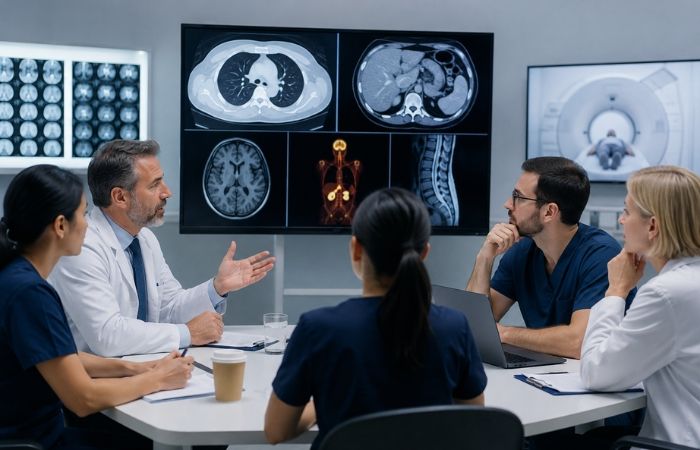
The value of a CT scan lies not only in the technology but also in the expertise of those who interpret the results. Highly trained radiologists and imaging specialists play a vital role in ensuring each scan is read accurately and communicated effectively to referring doctors.
Selecting a diagnostic imaging provider that combines advanced equipment with expert analysis ensures every patient receives clear, precise, and reliable results.
What Makes CT Scans Essential For Accurate Diagnosis
Accurate imaging is the foundation of confident medical decisions. CT scans provide unmatched detail, speed, and reliability for diagnosing a wide range of health conditions. With some of the best scanner availability in the world, Australia continues to lead in diagnostic imaging excellence.
At Axis Imaging, we provide cutting-edge CT scan services in Mickleham, Victoria, designed to deliver fast, accurate, and safe diagnostic results. Our expert radiologists and advanced imaging technology ensure every patient receives the highest level of care. Contact us today to schedule your CT scan or learn more about our comprehensive diagnostic imaging services.