Hearing that your doctor has recommended a CT scan can make anyone pause. It is natural to have questions about radiation, comfort, and safety. The good news is that CT technology has advanced dramatically in recent years, making scans faster, safer, and more accurate than ever before. Modern imaging clinics across Australia, including Axis Imaging, now utilise the latest systems designed to protect patients while delivering highly detailed results that help doctors to make confident diagnoses.
What Is a CT Scan and Why Is It Used?
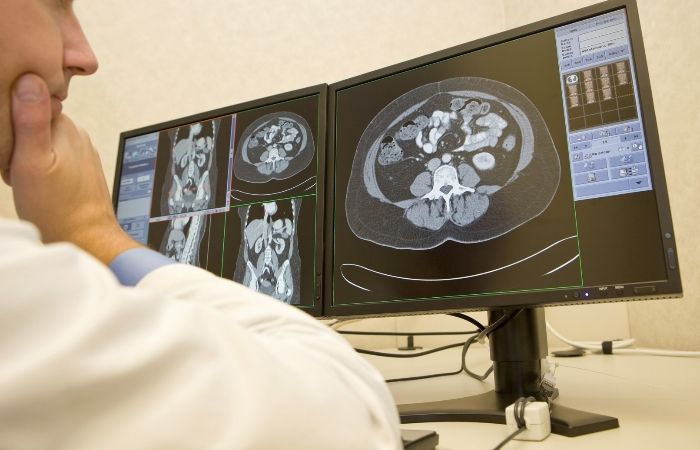
A CT scan, or computed tomography scan, is a specialised type of medical imaging that combines multiple X-ray images taken from different angles to create a detailed, cross-sectional view of the body. It allows radiologists and doctors to see inside organs, bones, blood vessels, and soft tissues without the need for surgery.
CT scans are commonly used to detect a wide range of conditions, including injuries, infections, tumours, and internal bleeding. They can also be used to guide certain treatments and to monitor recovery after surgery or therapy. Because they provide more detail than standard X-rays, CT scans have become a key diagnostic tool in modern medicine.
How Safe Are CT Scans?
One of the most common concerns among patients is radiation exposure. CT scans do use X-rays, which involve a small amount of ionising radiation. However, today’s CT scanners are engineered to use the lowest possible dose while still producing clear, reliable images.
According to the Australian Radiation Protection and Nuclear Safety Agency (ARPANSA), modern CT scanners can reduce radiation exposure by up to 60% compared to older machines. This is achieved through advanced dose-modulation software, which automatically adjusts the X-ray output based on your size and the area being scanned. For most people, the level of radiation from a single CT scan is very low and comparable to the background radiation we are all exposed to naturally over a few months of everyday life. For your doctor, the information obtained from a CT scan far outweighs the minimal risk involved.

How New Technology Enhances Patient Safety
Technological innovation has transformed CT imaging in several important ways. Here are some of the advances that keep patients safe and comfortable.
1. Low-Dose Imaging Systems
Modern CT scanners are equipped with dose-reduction algorithms that analyse the area being scanned in real time. This means the scanner delivers only the amount of radiation required for clear imaging, avoiding unnecessary exposure.
2. Faster Scanning Times
Older CT machines often required patients to stay still for several minutes. Newer systems can capture high-resolution images in just a few seconds. This reduces the need for repeat scans and makes the experience easier for people who find it uncomfortable to stay in one position.
3. Improved Image Quality
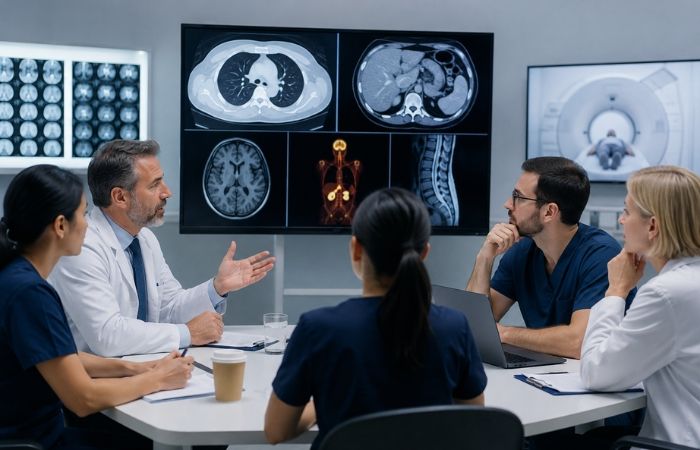
High-definition detectors and advanced reconstruction software now produce clearer images with less noise, meaning radiologists can detect even subtle changes in tissues. This improved accuracy helps ensure that your doctor receives the most precise information for diagnosis and treatment planning.
4. Automatic Patient Positioning
Many of the latest CT scanners use laser alignment and automated positioning technology to ensure the patient is perfectly placed. This reduces scanning errors, shortens the procedure, and helps avoid unnecessary repeat imaging.
5. Comprehensive Quality Control
Reputable imaging centres use computer-based monitoring systems that track machine performance and calibration daily. These checks ensure that every scan meets strict Australian safety standards and produces consistent results.
What to Expect During a CT Scan
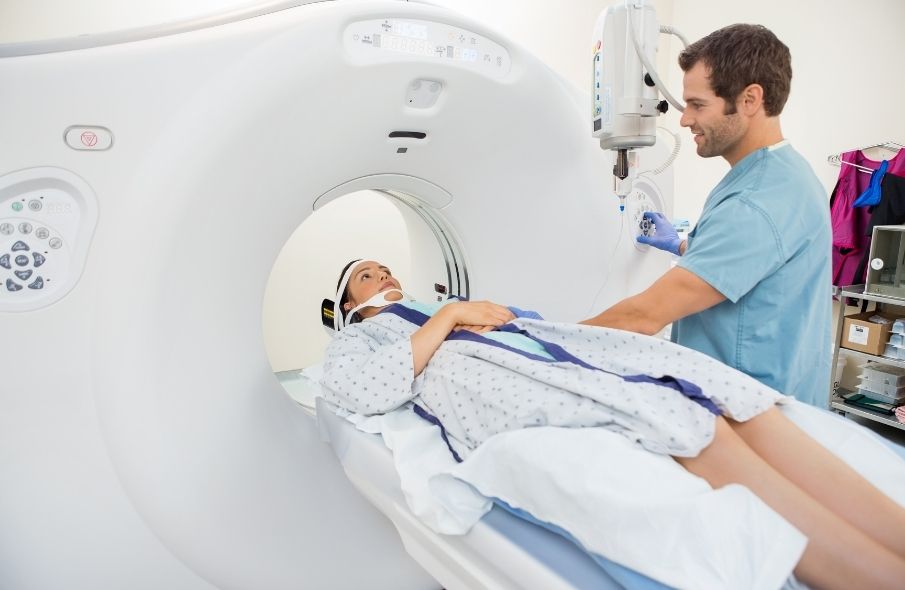
Knowing what will happen during your appointment can make the experience much more comfortable. When you arrive for your scan, a trained radiographer will explain the process and answer any questions. You will usually be asked to change into a gown and remove any metal objects, such as jewellery or glasses.
You will then lie on a narrow table that slides into the circular opening of the scanner. The machine will move around you as it takes images, but you will not feel anything. You might hear a soft humming or clicking sound as the scanner works.
Most CT scans take between 5 and 15 minutes. Some require the use of a contrast dye to make certain tissues or blood vessels more visible. The dye leaves the body naturally within a few hours. Throughout the scan, the radiographer monitors you from an adjoining room and can communicate through an intercom. The process is quick, painless, and non-invasive.

How CT Clinics Maintain Patient Safety
In Australia, all medical imaging clinics must meet national standards set by ARPANSA and the Royal Australian and New Zealand College of Radiologists (RANZCR). These standards regulate equipment maintenance, staff training, and radiation safety procedures.
Accredited clinics follow the principle of ALARA—As Low As Reasonably Achievable—when it comes to radiation exposure. This means that every scan is justified, optimised, and performed only when it provides a clear diagnostic benefit.
Clinics like Axis Imaging also prioritise patient comfort. Many have calming room designs, shorter wait times, and digital scheduling systems to reduce stress. Staff are trained not only in operating equipment safely but also in providing compassionate care for patients who may feel anxious about the procedure.
Frequently Asked Patient Questions
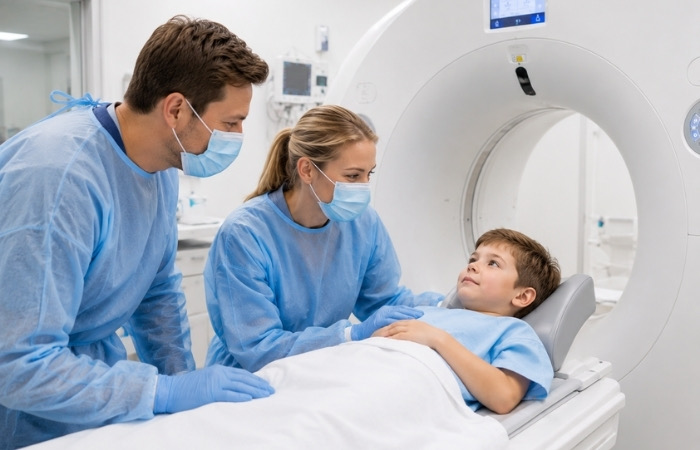
Is a CT scan safe for children or pregnant women? CT scans are generally avoided during pregnancy unless necessary. If you are pregnant or think you might be, always inform your doctor or radiographer. For children, specialised low-dose settings are used to ensure safety.
Do I need to prepare for the scan? For most CT scans, no special preparation is needed. You might be asked to fast for a few hours if contrast dye will be used. The clinic staff will provide clear instructions beforehand.
How soon will I get my results? After your scan, the images are reviewed by a qualified radiologist who prepares a report for your referring doctor. Results are typically available within 24 to 48 hours.
Will I feel any side effects? CT scans are painless, and side effects are extremely rare. If contrast dye is used, you might feel a brief warm sensation or metallic taste, which passes quickly.
How do I choose the right clinic? Look for an accredited imaging provider that uses advanced CT technology, employs experienced radiographers, and prioritises patient safety. Checking reviews, accreditation, and equipment information on the clinic’s website can also help you make an informed choice.

The Future of CT Safety
As technology continues to evolve, CT scanners are becoming even safer and more efficient. Artificial intelligence now assists radiologists in detecting abnormalities faster and with greater precision. Ongoing research focuses on further reducing radiation exposure without compromising image quality, paving the way for even more patient-centred imaging care.
Trust Axis Imaging for Safe, Modern CT Scans
When it comes to your health, you deserve imaging that combines safety, accuracy, and care. At Axis Imaging, we use state-of-the-art CT technology designed to minimise radiation exposure and maximise diagnostic clarity. Our team ensures every patient receives professional, compassionate care in a comfortable environment.
Choosing the right clinic for your CT scan is about confidence and peace of mind. Axis Imaging offers both. Contact us today to learn more about our advanced CT services and how we keep patients safe every step of the way.