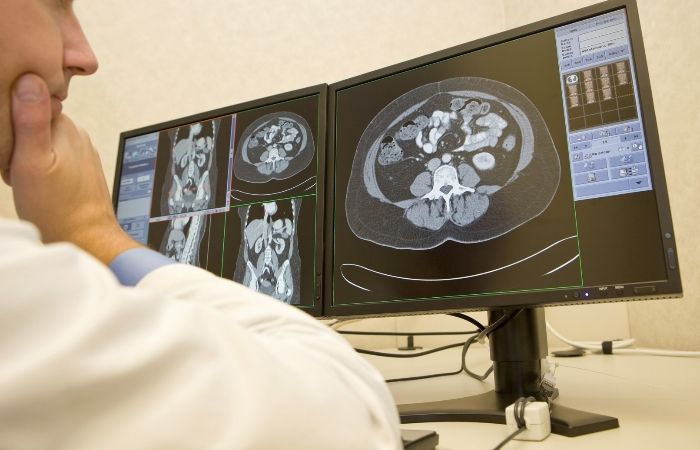

Most of us do not spend a lot of time thinking about our lungs. They do their job quietly, breath after breath, and unless something goes wrong, they rarely demand our attention. But if you have spent years as a smoker, or if you used to smoke and have since quit, there is one question worth sitting with: should you be getting screened for lung cancer?
It is a fair question and an important one. Lung cancer is one of the most common cancers in Australia and one of the most deadly, largely because it is so often caught late. By the time symptoms appear, including a persistent cough, chest pain, or unexplained weight loss, the disease may already be at an advanced stage. The good news is that low-dose computed tomography, or LDCT, offers a way to detect lung cancer early, when treatment is far more likely to be successful.
But screening is not recommended for everyone. Understanding whether you fall into the group that could genuinely benefit is the starting point.
What Is LDCT Lung Screening, and How Does It Work?
Low-dose CT is a specialised scan that captures detailed images of the lungs using a small amount of radiation. It is quick, non-invasive, and does not require injections or contrast dye. Most scans take only a few minutes, and you can return to your day immediately.
The purpose is to detect small nodules or abnormalities that may indicate early-stage lung cancer, often before symptoms develop.
 The reduced radiation dose is key. It makes LDCT suitable for regular screening in higher-risk individuals. While not perfect, the evidence supporting its use is strong. Large clinical trials have shown that annual LDCT screening can reduce lung cancer deaths by around 20 per cent in high-risk populations.
Australia's National Lung Cancer Screening Program (NLCSP)
Australia now has a dedicated national program to make lung cancer screening more accessible. The National Lung Cancer Screening Program (NLCSP) began in July 2025, with eligible people aged between 50 and 70 years able to participate using a low-dose CT scan, following shared decision-making with their healthcare provider.
Two Medicare Benefits Schedule (MBS) items have been created to provide free low-dose CT scans under the NLCSP, with mandatory bulk billing. This means that for eligible Australians, the cost barrier to screening has been significantly reduced. For full details on the program, including eligibility and how to access it, visit the official government page.
Who Is LDCT Screening Recommended For?
Eligibility for low-dose CT (LDCT) screening is often a source of confusion. Not all smokers or former smokers automatically qualify, and meeting the criteria does not guarantee that screening is immediately recommended. The NLCSP provides clear guidance on who benefits most. Screening is intended for people at higher risk of lung cancer, rather than the general population.
Age
The NLCSP is for eligible Australians aged 50 to 70. This age range reflects decades of research showing that lung cancer risk rises significantly with age, especially among people with a history of smoking.
If you are in your 50s or older and have smoked, this is the period when screening can have the greatest impact. Many people in this group feel perfectly healthy and may assume that means their lungs are fine. However, lung cancer often develops silently, and screening is about detecting issues before symptoms appear. Early detection at this stage can dramatically improve treatment options and outcomes.

Smoking History
A key factor in eligibility is your cumulative smoking history, measured in pack-years. One pack-year equals smoking one pack per day for one year. The NLCSP requires a smoking history of at least 30 pack-years to qualify for screening.
For example:
- One pack per day for 30 years equals 30 pack-years
- Two packs per day for 15 years also equals 30 pack-years
This measure reflects the cumulative impact of smoking on lung tissue and lung cancer risk. Even if you quit years ago, the long-term effects of smoking remain, which is why your history is an essential part of assessing eligibility.
Current or Former Smokers
To be eligible, people must be currently smoking or have quit smoking within the last 10 years.
Quitting smoking is one of the most important steps for your overall health, but it does not immediately erase the risk accumulated over years of smoking. Screening remains relevant for former smokers because the changes smoking causes to lung tissue can persist for many years after quitting.

Occupational Exposure
Workplace exposure to substances such as asbestos, silica dust, diesel fumes, or radon can significantly increase lung cancer risk. This is particularly relevant for people who have worked in construction, mining, manufacturing, or other trades with known respiratory hazards.
Even if you do not meet the standard age or smoking criteria, a history of occupational exposure may still warrant a conversation with your GP about LDCT screening.
Additional Risk Factors
Other factors that may influence eligibility include chronic lung conditions such as COPD or pulmonary fibrosis, a family history of lung cancer, or ongoing lung inflammation. These elements can elevate your risk independently of your smoking history.
For example, if a close relative has had lung cancer, your genetic susceptibility may be higher. Similarly, living with a chronic lung condition can make your lung tissue more vulnerable over time. When combined with a smoking history, these additional risk factors can strengthen the case for screening.
Understanding eligibility is not about ticking every box perfectly. It is about identifying whether your overall risk profile places you in a group that could benefit from early detection. A discussion with your GP is the best way to interpret your individual circumstances and determine if LDCT screening is appropriate for you.

The Eligibility Table at a Glance

What If You Are Not Sure of Your Pack-Year History?
You are not expected to have exact figures. Most people do not. A rough estimate is enough to begin.
Think about when you started smoking, how much you smoked during peak periods, and whether you reduced or quit at any stage. Your GP can help translate this into pack-years and determine whether you meet the criteria.
It is also worth knowing that the NLCSP criteria are specific to Australia's national program. Other international guidelines, such as those from the US Preventive Services Task Force or the British Thoracic Society, use slightly different age cut-offs and pack-year thresholds. For Australians, the NLCSP criteria are the relevant benchmark, and a clinical conversation with your GP remains the most reliable way to confirm your eligibility.
Understanding the Risks
LDCT screening is considered safe, but it is important to understand its limitations.
False positives can occur. Some nodules detected are not cancerous, but they may still require follow-up scans or further investigation. This can create anxiety and, in some cases, lead to unnecessary procedures.
 False negatives are also possible. A clear scan does not guarantee the absence of cancer, which is why ongoing screening is recommended for eligible individuals.
Overdiagnosis is another consideration. Some slow-growing cancers may never cause harm but are still treated once detected. Clinicians continue to refine how these cases are managed.
Despite these limitations, for the right individual, the benefits of early detection outweigh the risks.
What Happens After a Scan?
If your scan is clear, your doctor will usually recommend returning for regular screening. Under the NLCSP, eligible people are screened approximately every two years.
If a nodule is found, it does not mean cancer. Most findings are monitored over time with repeat imaging. Further testing is only recommended if changes are observed. Your doctor will guide you through each step based on the results.
Frequently Asked Questions
Do I need a referral for a low-dose CT scan?
Yes. A GP referral is required to ensure screening is appropriate based on your risk factors. Under the NLCSP, your GP will assess your eligibility before providing a referral.
How often should I be screened?
Under the NLCSP, screening is recommended approximately every two years for eligible individuals, depending on your doctor's advice and initial results.
Is the scan painful or uncomfortable?
No. The scan is quick and non-invasive. You simply lie still while the images are taken.
What happens if something is found?
Most findings are not cancer. Your doctor may recommend monitoring with follow-up scans or further tests if needed.
Can I get screened if I have symptoms?
No. Screening is for people without symptoms. If you have symptoms, your doctor will recommend diagnostic testing instead.
What comes next
If you recognise yourself in the eligibility criteria, the next step is simple. Speak with your GP. They can assess your risk, confirm your eligibility under the NLCSP, and provide a referral if appropriate.
 When that referral comes through, we know that choosing the right provider becomes an important part of the process. You want a place you can trust, especially when it comes to something as important as lung health. Axis Imaging provides diagnostic imaging services, including low-dose CT lung screening, with a strong focus on patient care at every stage. We understand that walking into a scan can feel overwhelming, particularly when it is tied to a real health concern, which is why having a team committed to making the experience calm and straightforward matters. If you have been putting this off or if someone close to you may be eligible, visiting Axis Imaging is a practical first step. Contact us today to explore the options and move forward with more confidence.