One fracture can change everything. A fall that would have caused nothing more than a bruise twenty years ago can now mean weeks in recovery, loss of independence, or worse. For many Australians over 50, bone health becomes a silent concern and something doctors monitor carefully, even when nothing hurts and everything feels fine. When a GP or specialist recommends a DEXA scan, it's usually as a preventive step rather than a response to symptoms. Understanding what this simple test reveals can help you approach it with confidence and take meaningful action to protect your long-term health.
What is a DEXA scan and how does it work?
A DEXA scan, short for Dual Energy X-ray Absorptiometry, is a simple and painless test used to measure bone density. Bone density refers to how strong and solid the bones are and is a key factor in determining fracture risk.
The DEXA machine uses two very low-energy X-ray beams that pass through the body. Dense, healthy bones absorb more X-rays, while bones with lower density absorb less. By measuring this difference, the scanner calculates bone mineral density accurately while using minimal radiation.
Unlike standard X-rays, which mainly show fractures, a DEXA scan can detect early bone loss before any break occurs. This makes it an important tool for early detection and prevention.

Why do doctors recommend DEXA scans?
Australian GPs and specialists recommend DEXA scans to assess fracture risk and monitor bone health over time. Bone loss often develops quietly, without pain or obvious symptoms, so many people are unaware of changes until a fracture happens.
A DEXA scan provides clear, measurable information that helps doctors decide whether lifestyle changes, monitoring, or treatment may be needed. Common reasons for referral include increasing age, family history of osteoporosis, hormonal changes such as menopause, long-term use of corticosteroid medications, or medical conditions that affect bone strength.
DEXA scans are also used to track how well bone health treatments are working in patients already diagnosed with osteopenia or osteoporosis.
What conditions can a DEXA scan detect?
DEXA scans are primarily used to detect osteopenia and osteoporosis.
Osteopenia refers to lower-than-normal bone density. While it is not as severe as osteoporosis, it indicates an increased risk of future bone loss and fractures.
Osteoporosis involves more significant bone thinning and greatly increases fracture risk, particularly in the hips, spine, and wrists. It often causes no symptoms until a fracture occurs, which is why early detection through a DEXA scan is so valuable.

What T-Scores Really Mean
DEXA results are reported as T-scores. A T-score compares your bone density to that of a healthy young adult of the same sex, typically in the peak bone mass age range of 25 to 35 years.
Here's how to interpret them:
T-score of -1.0 or above: Normal bone density
T-score between -1.0 and -2.5: Osteopenia (lower than normal, increased fracture risk)
T-score of -2.5 or lower: Osteoporosis (significantly increased fracture risk)
Your report may also include a 10-year fracture probability using a validated risk assessment tool. This calculation considers your T-score along with other factors such as age, weight, smoking history, and family history.
It's important to understand that T-scores are just one piece of the puzzle. Your doctor will interpret the results in the context of your overall health, lifestyle, and medical history to create a personalised care plan.

What happens during a DEXA scan?
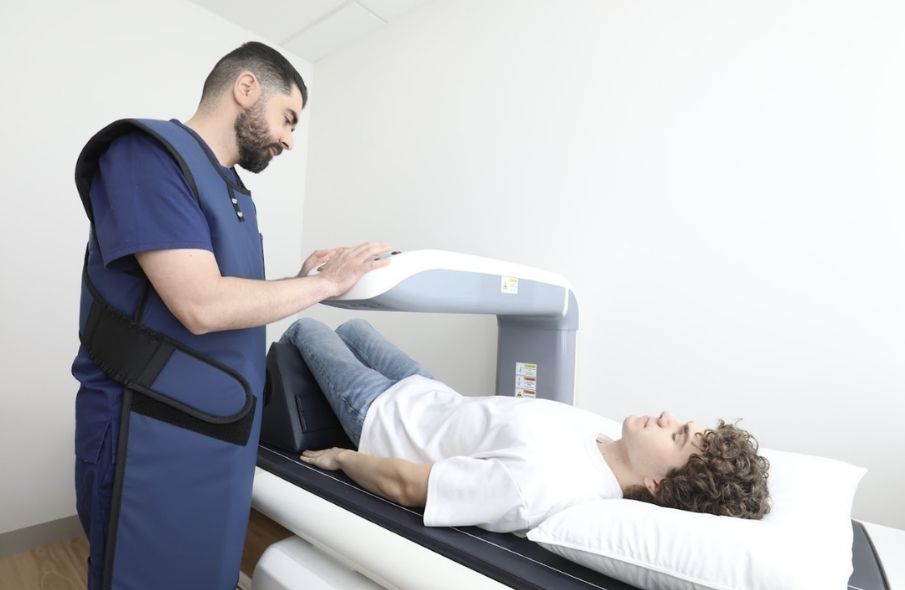
A DEXA scan is quick and comfortable. The patient lies on a padded table while a scanning arm moves slowly over the body, focusing on the spine and hips. There are no injections, enclosed spaces, or loud noises.
The scan usually takes 10 to 20 minutes. Patients are asked to remain still, but breathing normally is fine. In most cases, the scan is performed fully clothed, although items with metal fastenings, such as belts or jewellery, may need to be removed to ensure accurate results.

Preparing for Your Scan for Accurate Results
Preparation is minimal. Here's what you need to know: Avoid calcium supplements for 24 hours before your scan, unless your clinic advises otherwise. These can temporarily affect readings and lead to inaccurate results. Wear comfortable, loose-fitting clothing without metal zips, buttons, or embellishments. Tracksuit pants and a t-shirt are ideal. Eat and drink normally. There's no need to fast or change your routine. Inform the clinic if you're pregnant or think you might be. While DEXA radiation levels are extremely low, pregnancy is a precaution. If you've had recent barium tests or contrast dye imaging (such as a CT scan), let the clinic know, as these can interfere with DEXA results for a few days.
Why DEXA Scans Are Considered Safe
One of the most common concerns about any X-ray procedure is radiation exposure. With DEXA scans, this concern is minimal.
The radiation dose from a DEXA scan is approximately one-tenth of a standard chest X-ray, roughly equivalent to the background radiation you'd naturally receive over one to two days of normal life. This level of exposure is considered extremely safe.
The scan is non-invasive, requires no injections or preparation, and poses no risk to your overall health. Because the radiation exposure is so low, DEXA scans can be safely repeated for monitoring purposes as often as needed.
Who Should Consider Getting a DEXA Scan?
In Australia, DEXA scans are commonly recommended for specific groups at higher risk of bone loss:
Post-menopausal women, particularly those who experienced early menopause
Men aged 70 and over
Adults over 50 who have had a fracture from a minor fall
People with a family history of osteoporosis or hip fractures
Anyone taking medications known to affect bone density (corticosteroids, some cancer treatments, certain seizure medications)
Individuals with conditions that affect calcium absorption or hormone levels (thyroid disorders, coeliac disease, chronic kidney disease, rheumatoid arthritis)
Your GP or specialist will assess your individual risk factors to determine whether a DEXA scan is appropriate for you.

Frequently Asked Questions About DEXA Scans
Is a DEXA scan painful? No. DEXA scans are completely painless. You simply lie still on a padded table while the machine takes measurements. There are no needles, injections, or uncomfortable procedures.
How long does the scan take? The entire appointment typically takes 15 to 20 minutes, with the actual scanning time being much shorter—usually around 10 minutes.
Do I need to undress for the scan? Most patients can remain fully clothed. You may need to remove jewellery, belts, or clothing with metal zips or buttons.
How often will I need DEXA scans? For many patients with osteopenia or stable bone density, scans are typically repeated every two years.
More frequent scans may be recommended for patients undergoing active treatment or with higher fracture risk. Your doctor will advise the most appropriate interval for you.
Will Medicare or private health insurance cover my DEXA scan? Medicare provides rebates for DEXA scans when eligibility criteria under the Medicare Benefits Schedule are met. Not all referrals automatically qualify, as specific age and clinical risk factors apply.
Most private health insurance plans also provide some level of cover. Patients are encouraged to check with their provider or imaging clinic regarding costs and rebates.
Can I eat before my DEXA scan? Yes, you can eat and drink normally. The only restriction is avoiding calcium supplements for 24 hours before the scan.
What if my results show bone loss? Bone loss can often be slowed and in some cases partially improved with appropriate treatment.
Management may include:
Weight-bearing exercise
Calcium and vitamin D optimisation
Prescription medication
Lifestyle adjustments
Regular follow-up scans help monitor progress.

Choosing the Right Imaging Clinic and Booking Your Scan
Accurate DEXA scan results depend on quality equipment and experienced staff. When choosing an imaging provider, look for: Modern, well-maintained DEXA scanning equipment Qualified radiographers with experience in bone density testing Accreditation and compliance with Australian diagnostic imaging standards Clear communication and patient-focused care Early detection of bone loss allows you to take action before fractures occur. If your doctor has recommended a DEXA scan, booking sooner rather than later is important. At Axis Imaging, DEXA scans are performed using advanced diagnostic equipment in a professional, comfortable environment. Our experienced team is committed to providing accurate results and a positive patient experience. Contact us today to book your DEXA scan and take a proactive step toward protecting your bone health for years to come.