Early detection plays a crucial role in protecting long-term health, reducing treatment complexity, and improving outcomes. Although many people associate an X-ray only with broken bones, it can identify a wide range of developing problems before symptoms worsen. This early insight allows clinicians to act sooner and with greater accuracy. For residents in Mickleham, Victoria, access to high-quality imaging services means health issues can be uncovered and managed at the right time. Understanding what X-rays can detect and how to choose a reliable imaging provider helps you make informed decisions about your care.
What Is an X-ray
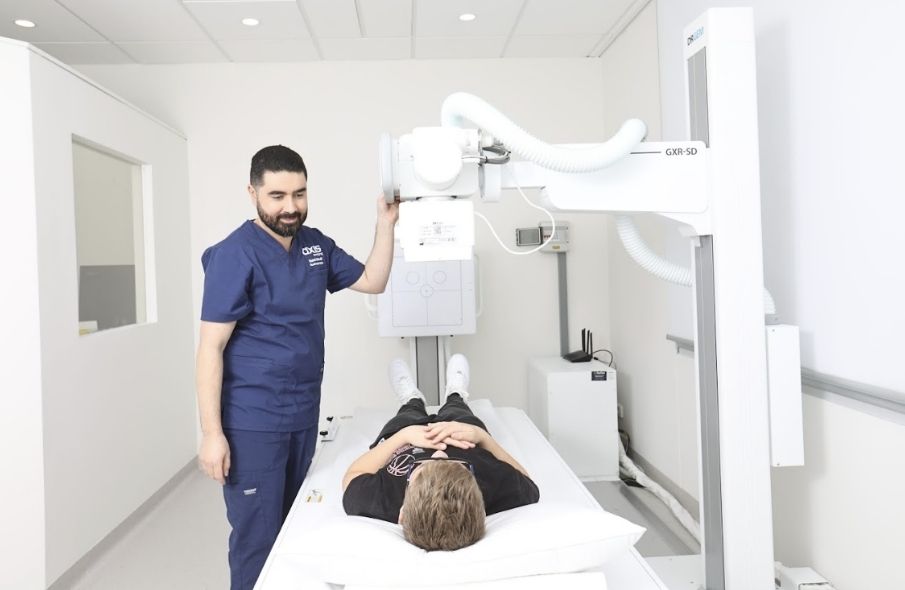
An X-ray is a form of medical imaging that uses a small amount of ionising radiation to produce pictures of the inside of the body. The X-ray beam passes through the body and is absorbed in varying amounts depending on the density of tissues. Bones absorb more radiation and appear white, while softer tissues like skin, organs, and muscles absorb less and appear in shades of grey. Air-filled spaces, such as the lungs or gas in the stomach and intestines, absorb the least radiation and therefore appear darkest on the image. This contrast allows clinicians to see fractures, infections, blockages, and other abnormalities that cannot be detected through a physical examination alone. X-rays are quick, painless, and widely used as the first step in diagnostic imaging.
How X-Rays Detect Problems Early
X-rays are powerful because they reveal structural changes long before you can feel them. Here’s how:
1. They Reveal Hidden Injuries You Can’t See or Feel Immediately
Not all injuries produce immediate symptoms. Some fractures, joint injuries, and soft-tissue issues can go unnoticed for days or weeks, especially in:
- Athletes
- Busy professionals
- Older adults
- People with high pain tolerance
X-rays can detect:
- Stress fractures
- Hairline cracks
- Joint misalignments
- Signs of internal swelling
- Catching these injuries early prevents them from becoming more severe or harder to treat.
2. They Identify Infections Before They Spread
Many infections show up in the bones or lungs long before symptoms escalate. A chest or bone X-ray can detect:
- Pneumonia
- Tuberculosis
- Osteomyelitis (bone infection)
- Fluid buildup
Early detection means early treatment, often preventing hospitalisation or complications.

3. They Help Detect Degenerative Conditions Early
Conditions like arthritis or osteoporosis develop gradually. You may feel mild discomfort, but X-rays reveal what’s happening internally:
- Joint space narrowing
- Bone thinning
- Spur formation
- Tissue degeneration
Spotting these early allows your doctor to start treatment before the condition progresses.
4. They Confirm Whether Pain Is Muscular or Structural
Not all pain comes from bones; sometimes, the source is soft tissue or inflammation. X-rays help rule out structural issues so your doctor can pinpoint the true cause. This prevents misdiagnosis and ensures the right treatment from the start.
5. They Provide a Baseline for Tracking Changes Over Time
Your body changes, injuries heal, and conditions evolve. X-rays offer a reliable baseline for your healthcare team to compare:
- Is the treatment working?
- Is the condition improving?
- Has anything changed since the last scan?
This is especially important for chronic conditions or long-term recovery.
Common Conditions X-Rays Can Detect Early
Here are some of the most frequent issues X-rays help identify early:
- Bone fractures & breaks
- Arthritis & joint damage
- Lung infections (pneumonia, TB)
- Osteoporosis signs
- Dental issues
- Abnormal growths
- Swallowed objects (especially in children)
- Spinal problems (scoliosis, disc abnormalities)
If you’ve been feeling “not quite right,” a quick X-ray could give you the clarity you need.

Are X-Rays Safe?
Yes. Modern digital X-rays use very low radiation, often comparable to a few hours of natural background exposure. Modern digital systems are designed to keep exposure as minimal as possible while still producing clear, diagnostic images. For most people, the benefits of early detection far outweigh the small amount of radiation involved. Clinicians recommend X-rays only when the results are likely to influence treatment, which helps ensure every scan is medically justified and safe. What Happens Next if an X-ray Finds Something Early detection is only valuable if followed by appropriate action. If an X-ray reveals a suspicious finding, the next steps depend on the nature of the abnormality.
Further Imaging
Clinicians may recommend CT or MRI scans for more detailed evaluation. CT provides high-resolution cross-sectional images, ideal for assessing complex bone injuries or lung nodules. MRI provides superior soft tissue contrast and is commonly used to diagnose suspected ligament tears, cartilage damage, or neurological concerns.
Specialist Referral
If the X-ray indicates a condition requiring treatment beyond routine care, such as a significant fracture or potential tumour, your provider should outline a clear referral pathway. This may involve an orthopaedic specialist, respiratory physician, or another relevant expert.

Balancing Risks and Benefits
X-rays involve low levels of radiation, but the exposure is small and carefully regulated. The key question is whether the benefits outweigh the risks.
When an X-ray Is Recommended
Clinicians typically advise imaging when the findings will influence treatment decisions. If a patient presents with trauma, sudden severe pain, unexplained swelling, or respiratory symptoms, an X-ray provides critical information that supports timely intervention.
When Waiting May Be Appropriate
In cases of mild symptoms that are improving or conditions that may not benefit from immediate imaging, clinicians may recommend monitoring instead. Asking your imaging provider about the benefits and risks helps ensure every scan is genuinely necessary.
Putting Early Detection Into Action
Choosing the right imaging support is not only about convenience, but it is also about informed care that protects your long-term well-being. For individuals and families in Mickleham, Victoria, having access to accurate and early diagnostic imaging can make a meaningful difference in treatment outcomes. At Axis Imaging, we provide high-quality X-ray services designed for early and precise detection across a wide range of health concerns. Contact us today to learn how our imaging capabilities can support your health with clarity and confidence.