If your GP or specialist has referred you for a CT scan of your abdomen and pelvis, you might be feeling a bit uncertain about what comes next. It's completely normal to have questions, especially if this is your first time having this type of scan.
This guide explains what a CT abdomen and pelvis scan is, why it is performed, how to prepare correctly, and what to expect before, during, and after your appointment. Understanding the process in advance can help you feel more confident and relaxed when you attend your scan.
What Is a CT Abdomen and Pelvis Scan?
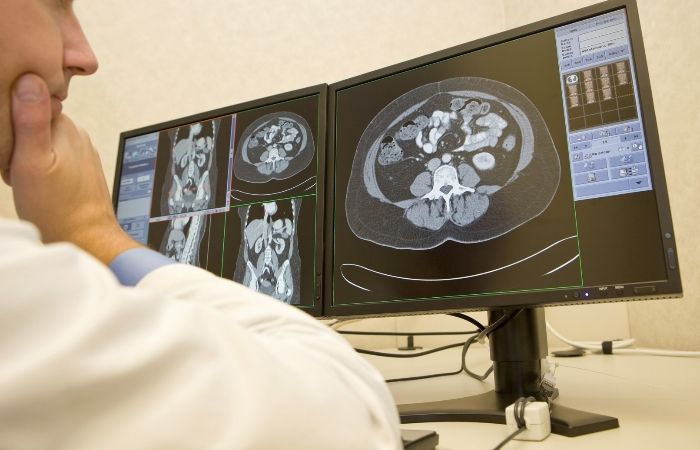
A CT, or computed tomography, scan uses X-rays combined with advanced computer processing to create detailed cross-sectional images of the body. When the abdomen and pelvis are scanned, doctors can closely examine organs, blood vessels, and surrounding structures.
This type of scan is commonly used to investigate symptoms such as ongoing abdominal pain, digestive problems, unexplained weight loss, or suspected infection. It is also used to detect and monitor conditions such as kidney stones, appendicitis, tumours, inflammation, internal bleeding, and bowel disease.
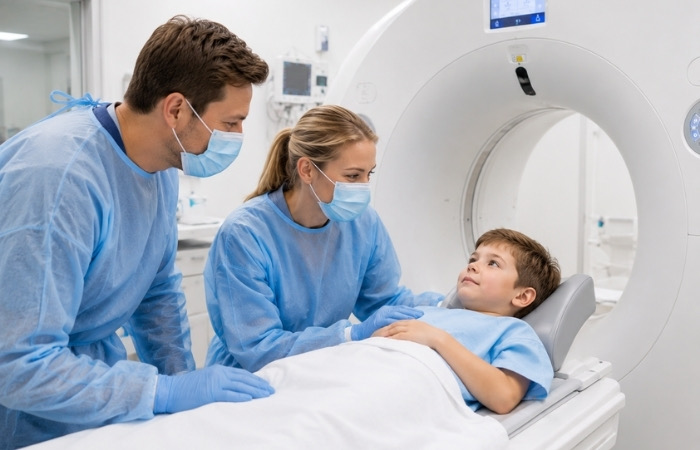
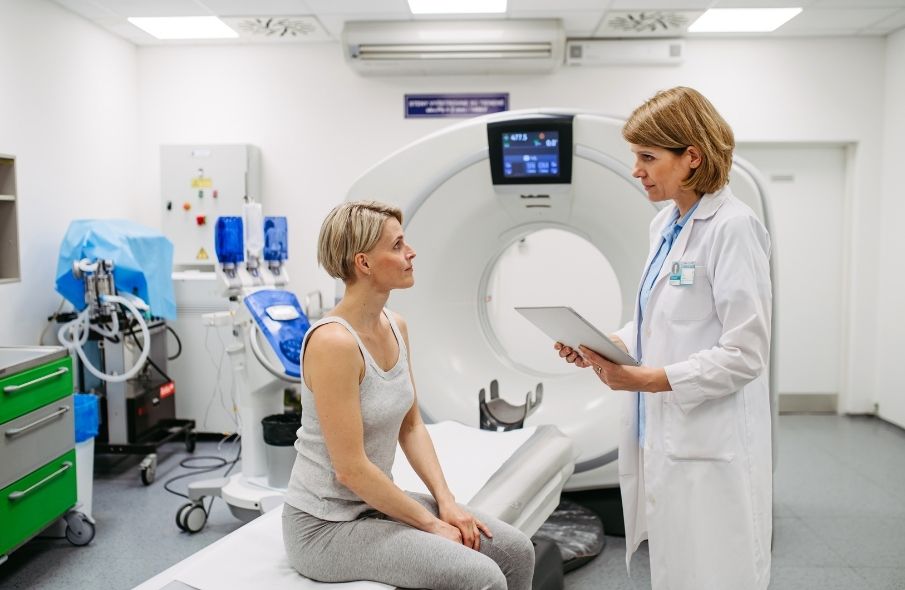
The scan itself is non-invasive, painless, and quick. You will lie on a padded table that moves through a large ring-shaped scanner. While the entire appointment usually takes 15 to 30 minutes, the actual scanning time is often only a few minutes.

Why Proper Preparation Is Important
Following the preparation instructions for your CT scan is essential. Proper preparation allows the radiologist to obtain clear, high-quality images, which improves diagnostic accuracy.
Eating, drinking, or failing to prepare correctly can obscure important structures, particularly in the digestive system. In some cases, inadequate preparation may result in the scan needing to be postponed or repeated, leading to unnecessary delays and inconvenience.
Carefully following the instructions provided by your imaging clinic helps ensure your scan can be completed efficiently and accurately the first time.
CT Abdomen and Pelvis Preparation Checklist
Preparation requirements can vary slightly depending on the scan protocol and whether contrast is required. Always follow the specific instructions given by your imaging clinic. The information below reflects typical preparation guidelines.
Fasting Before Your Scan
Most CT abdomen and pelvis scans require fasting.
- Do not eat solid food for 4 to 6 hours before your appointment
- You may usually drink clear fluids, such as water, up to 2 hours before the scan
- Take your regular medications with small sips of water unless advised otherwise
- Avoid chewing gum or sucking lollies during the fasting period
Fasting helps ensure clearer images and reduces the risk of complications if contrast is used.

Understanding Contrast Dye
Many CT abdomen and pelvis scans require contrast dye to improve image clarity. Contrast highlights organs, blood vessels, and abnormal tissue, making it easier to identify disease.
Oral Contrast
Oral contrast is a liquid you drink before the scan, usually over one to two hours. It helps outline the stomach and intestines. The taste is often mildly sweet or chalky, and you may be asked to drink up to 1.5 litres gradually.
Intravenous Contrast
Intravenous contrast is injected into a vein during the scan. You may feel a brief warm sensation or a metallic taste in your mouth. These sensations are normal and pass quickly. IV contrast is particularly useful for visualising blood vessels and organs such as the liver and kidneys.
Contrast Safety Considerations
Contrast dye is safe for most patients, but it is important to inform the clinic if any of the following apply to you:
- Previous allergic reaction to contrast dye
- Kidney disease or reduced kidney function
- Diabetes, especially if you take metformin
- Asthma or a history of severe allergies
You may need blood tests to assess kidney function before receiving IV contrast. In some cases, alternative imaging or special precautions may be recommended.
What to Bring to Your Appointment
To ensure your appointment runs smoothly, bring:
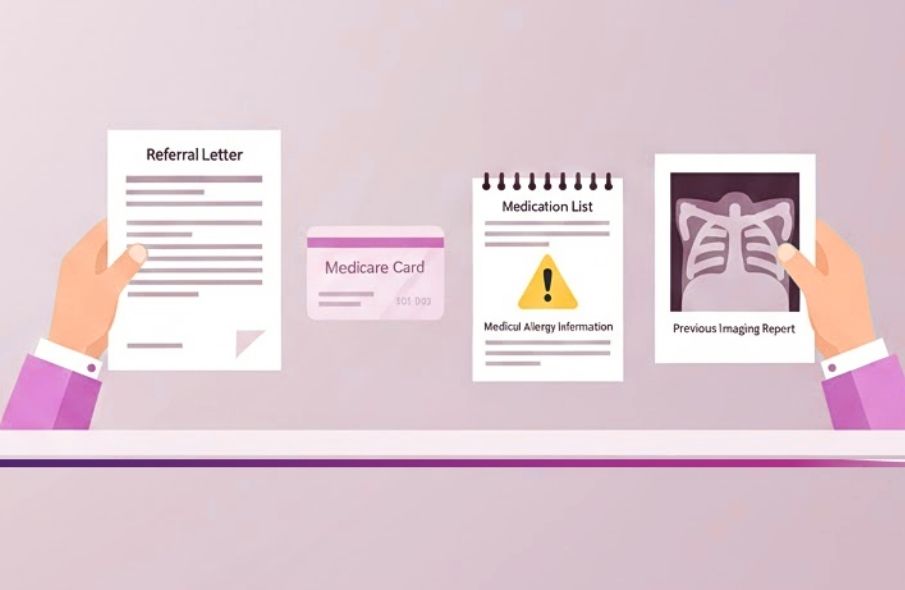
- Your referral letter from your GP or specialist
- Medicare card and private health insurance details
- A list of current medications and dosages
- Details of any allergies
- Relevant previous imaging or reports
- Healthcare or pension card if applicable
Choosing What to Wear for Your CT Scan
Comfort matters, but so does practicality.
Wear comfortable, loose-fitting clothing without metal components. Zips, buttons, studs, or underwire bras can interfere with imaging.
Avoid clothing with metallic threads or decorations.
Remove jewellery, watches, and piercings before your scan.
You may be asked to change into a hospital gown, so choose something easy to remove and put back on.
Special Considerations
Pregnancy
CT scans involve radiation. If there is any chance you may be pregnant, inform the clinic immediately. Alternative imaging may be recommended.
Kidney Function
Patients over 60, those with diabetes, or known kidney disease may require recent blood tests before receiving contrast.
Medications
Continue taking medications as usual unless instructed otherwise. If you take metformin, confirm whether temporary cessation is required.
Claustrophobia
CT scanners are open at both ends, but if you feel anxious, tell the radiographer. They can explain each step and ensure your comfort.

What Happens During the Scan
After check-in, you may be given oral contrast if required. When it is time for the scan, you will lie on the CT table and be positioned carefully.
If IV contrast is needed, a small cannula will be inserted into your arm. The table will move through the scanner, and you may be asked to hold your breath briefly during image capture.
The radiographer monitors you throughout the scan and can communicate with you at all times.
After the Scan and Results
You can usually eat, drink, and return to normal activities immediately. Drinking extra water over the next 24 hours helps flush contrast from your system.
A specialist radiologist will analyse your images and send a report to your referring doctor, usually within a few business days. Your doctor will discuss the results with you and explain any next steps.
Choosing the Right Imaging Clinic for Your CT Scan
Imaging clinics vary in quality, expertise, and patient experience. When booking a CT abdomen and pelvis scan, several factors are worth considering.
Choose a clinic accredited by recognised Australian healthcare bodies. Accreditation confirms the facility meets strict standards for equipment, safety, and professional practice.
Radiologist experience is critical. Clinics with experienced radiologists, particularly those trained in abdominal imaging, are more likely to deliver accurate interpretations and detailed reports.
Modern CT equipment also matters. Newer scanners produce clearer images while using lower radiation doses.
Clear communication is essential. A reputable clinic should explain preparation requirements, costs, and appointment details clearly and be available to answer questions.
Finally, consider practical factors such as location, appointment availability, parking, accessibility, and whether services are bulk-billed or involve out-of-pocket costs.

Taking Control of Your Healthcare Journey
A CT abdomen and pelvis scan is a routine and highly valuable diagnostic test that provides important insight into your health. Preparing properly, asking the right questions, and selecting a trusted imaging provider all help ensure accurate results and a smooth experience.
At Axis Imaging, we are committed to delivering high-quality diagnostic imaging with modern equipment, experienced radiologists, and clear patient communication. If you have questions about your scan, preparation requirements, or booking options, contact us today to discuss how we can support you through every step of your imaging journey.